Getting your first job interview is an important step towards starting a professional career. However, many fresh graduates in Pakistan feel nervous because they have limited work experience and are unsure what employers expect from them.
A successful interview is not about giving memorised answers to every question. Employers want to understand your communication skills, knowledge, attitude, and ability to handle the responsibilities of a position.
With proper preparation, candidates can explain their strengths more confidently and make a positive professional impression.
1. Research the Company Before the Interview
Before attending an interview, learn about the organisation where you have applied.
Visit its official website and try to understand:
- What products or services does the company provide?
- Which industry does it operate in?
- What responsibilities are mentioned in the job advertisement?
- What skills are important for the position?
This research helps you give relevant answers when an interviewer asks why you want to work there.
Avoid relying only on information shared through social media. Official company information is a better starting point.
2. Prepare Answers to Common Interview Questions
Most entry-level interviews include questions about education, personal strengths, career interests, and relevant skills.
Prepare clear answers to questions such as:
Tell me about yourself: Briefly explain your education, relevant skills, academic projects, and career interests.
Why do you want this job? Connect your interests and abilities with the responsibilities of the position.
What are your strengths? Mention two or three genuine strengths and support them with examples.
What is your weakness? Identify an area you are working to improve and explain the steps you are taking.
Why should we hire you? Explain how your education, practical knowledge, and willingness to learn can contribute to the organisation.
Do not memorise long speeches. Practise explaining your answers naturally in your own words.
3. Use Real Examples Instead of General Claims
Interviewers may ask questions about teamwork, problem-solving, leadership, or handling difficult situations.
If you have no professional experience, you can use examples from university assignments, group projects, internships, or volunteer activities.
A useful way to organise these answers is the STAR method:
- Situation: Explain the background.
- Task: Describe what needed to be done.
- Action: Explain what you personally did.
- Result: Share the outcome or what you learned.
For example, when discussing teamwork, describe a university project where you helped organise tasks, solved a problem, or completed your assigned work within a deadline.
Always explain your actual contribution rather than taking credit for someone else’s work.
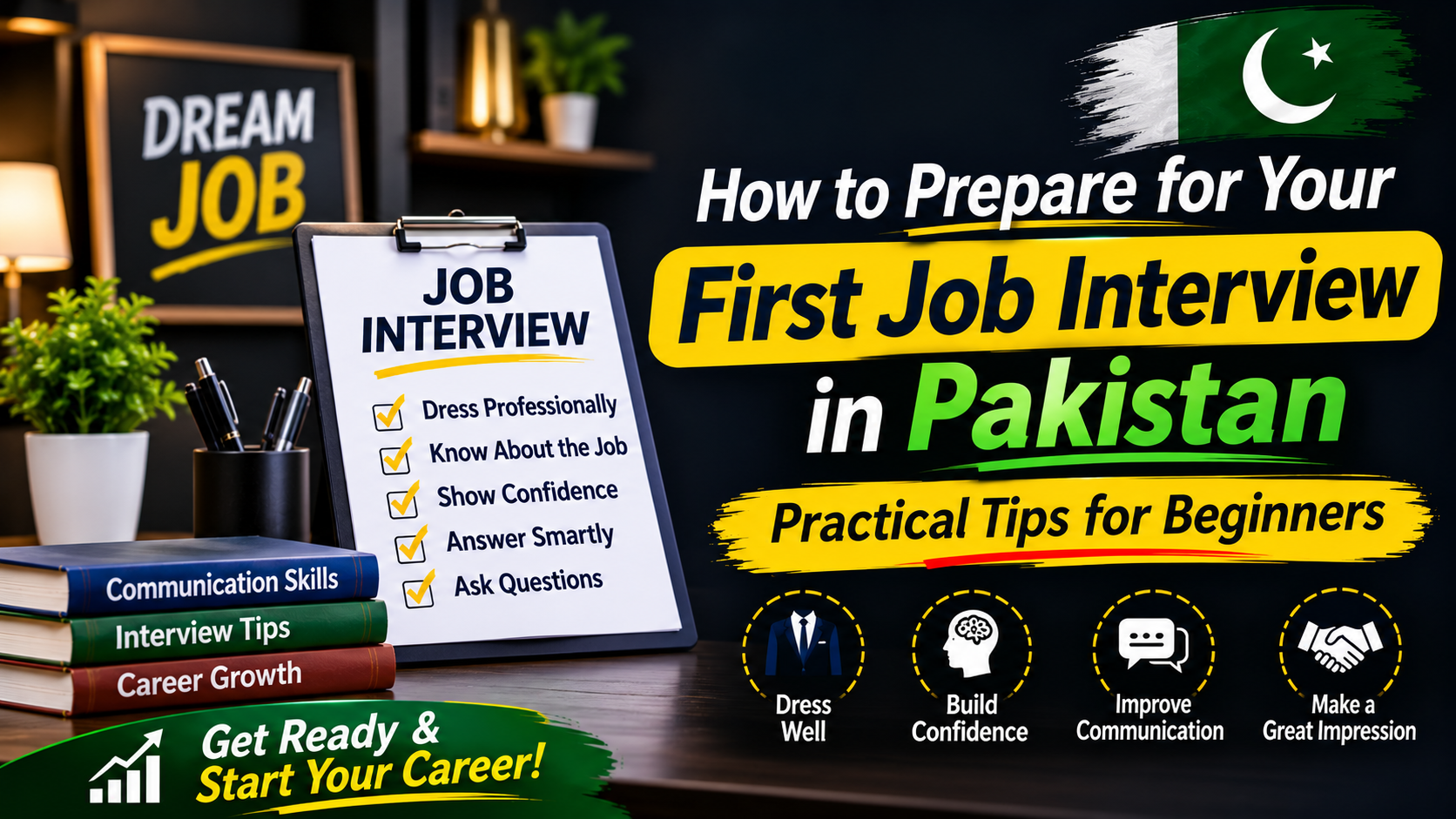
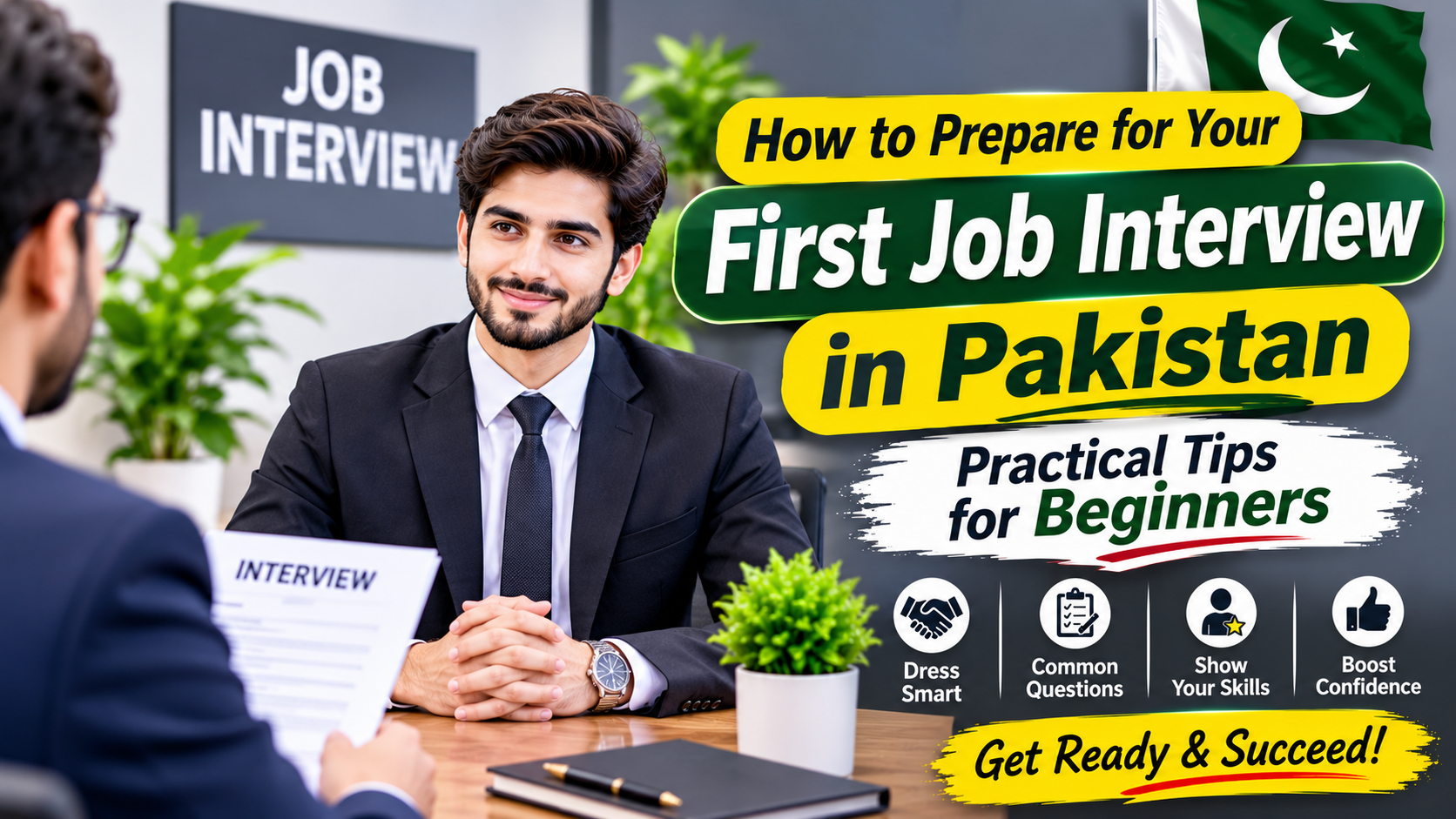
4. Dress Appropriately and Arrive on Time
Your professional behaviour begins before the interview starts.
Choose clean, neat clothing that is suitable for the organisation and position. There is no need for expensive clothing; a tidy and professional appearance is more important.
For an in-person interview:
- Confirm the location and interview time beforehand.
- Plan your journey to avoid unnecessary delays.
- Aim to arrive around 10–15 minutes early.
- Carry copies of your CV and any requested documents.
- Keep your mobile phone silent.
For an online interview, check your internet connection, camera, microphone, and background before joining.
5. Communicate Clearly During the Interview
Listen carefully to each question before answering. If something is unclear, politely ask the interviewer to explain it.
Keep your answers focused and avoid giving unrelated personal details.
Maintain natural eye contact during an in-person interview, speak clearly, and remain respectful even when discussing difficult questions.
If you do not know an answer, do not invent information. Explain honestly what you know and how you would approach learning the subject.
6. Ask Relevant Questions at the End
Some interviewers give candidates an opportunity to ask questions before the meeting ends.
Prepare one or two useful questions, such as:
- What would the main responsibilities be during the first few months?
- Does the organisation provide training for new employees?
- What are the next steps in the selection process?
These questions help you understand the role and show that you are interested in the opportunity.
7. Follow Up Professionally
After the interview, you can send a short thank-you email if you have the interviewer’s contact details and communication is appropriate.
Thank them for their time and briefly express your continued interest in the position.
Avoid sending repeated messages or demanding an immediate decision. Recruitment timelines can vary between organisations.
Common Interview Mistakes to Avoid
- Arriving late without a valid reason.
- Giving memorised answers that sound unnatural.
- Criticising previous teachers, employers, or colleagues.
- Exaggerating skills or inventing experience.
- Interrupting the interviewer.
- Using your mobile phone during the meeting.
- Failing to understand the job responsibilities.
Avoiding these mistakes can help you present yourself more professionally.
Frequently Asked Questions (FAQs)
How should a fresh graduate prepare for a first job interview?
Research the employer, understand the job description, prepare answers to common questions, and practise explaining your academic projects and relevant skills.
What documents should I bring to a job interview in Pakistan?
Carry your updated CV and any documents specifically requested by the employer. These may include educational certificates, experience letters, or professional certificates.
What should I say if I have no work experience?
Discuss your education, university projects, internships, practical training, and skills that are relevant to the position. Be honest about your experience.
How long should an interview answer be?
There is no fixed duration for every question. Keep simple answers brief and provide more detail when the interviewer asks for an example or explanation.
Should I send a thank-you message after an interview?
A polite thank-you email can be appropriate when you have the interviewer’s contact details. Keep it professional and avoid repeated follow-ups.
Conclusion
Preparing for your first job interview becomes easier when you understand the position, research the organisation, and practise explaining your abilities with real examples.
Fresh graduates should remember that employers do not always expect beginners to have extensive professional experience. They also consider communication, honesty, willingness to learn, and the ability to understand responsibilities.
Stay prepared, answer questions truthfully, and treat every interview as an opportunity to improve your professional skills.
Meta Description: Learn how to prepare for your first job interview in Pakistan with practical tips on common questions, communication, professional behaviour, and interview mistakes.
Further Reading:
- NUST Career Development Centre: https://cdc.nust.edu.pk/
- University of the Punjab Career Counselling and Placement Centre: https://pu.edu.pk/ccpc/
- LUMS Career Services: https://csod10.lums.edu.pk/interview-preparation